The BMW X3 and Subaru XV both occupy the crossover segment, offering versatility for Kenyan roads. The X3, with its premium badge, provides a more luxurious experience, while the XV is renowned for its affordability and practicality. The core tension lies in the X3's higher running costs versus the XV's more economical ownership.
On current Garisea listings, the Subaru XV is about 43% cheaper on median asking price, the Subaru XV has a newer average fleet, the Subaru XV shows lower average mileage.
| BMW X3 | Subaru XV | |
|---|---|---|
| Median price | KSh 4,750,000 | KSh 2,725,000 |
| Typical range | KSh 4,462,500 – KSh 5,075,000 | KSh 2,487,500 – KSh 2,850,000 |
| Avg mileage | 79,580 km | 75,910 km |
| Avg age | ~9 yrs | ~8 yrs |
| Transmission | Automatic | Automatic |
| Fuel | Diesel | Petrol |
| Drive | AWD | 4WD |
| Seats | 5 seats | 5 seats |
BMW X3
KSh 2,500,000
2012 ·
Subaru XV
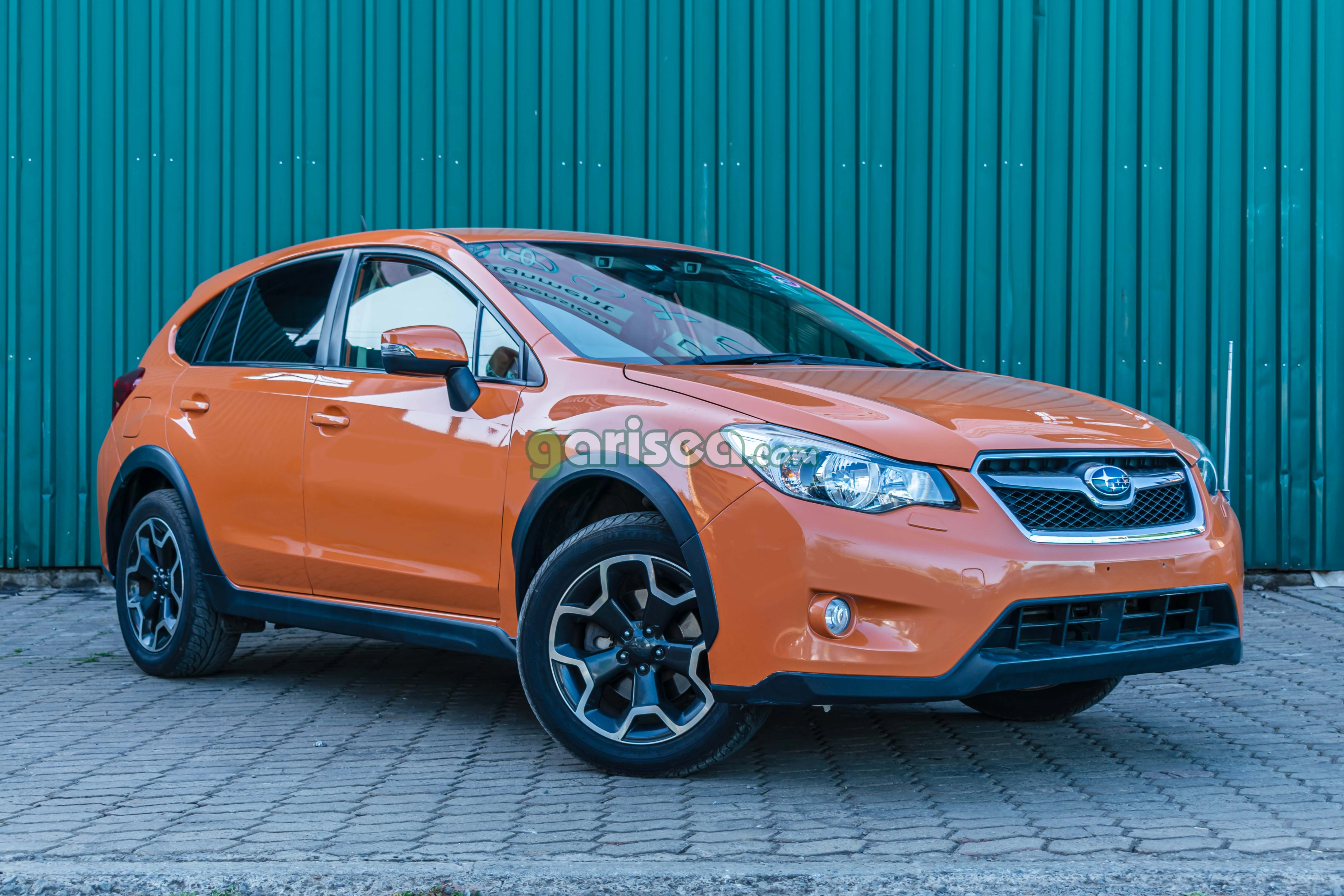
KSh 1,900,000
2015
The BMW X3 is a premium compact crossover that appeals to those seeking a blend of luxury and performance in Kenya. With its all-wheel-drive capability, it handles both urban and upcountry roads with ease. The model years commonly found are 2016 and 2019, offering a mix of modern features and solid build quality. It's well-suited for families and professionals who value comfort and a prestigious badge.
The X3 is generally reliable, but diesel engines require attention to the turbo and injectors, especially with Kenya's variable fuel quality. The petrol engines are less sensitive but can develop oil leaks over time. High-mileage units may show wear on suspension components due to Kenya's road conditions.
Maintenance requires skilled mechanics familiar with BMW's systems, which are available in major towns. Service intervals should be strictly followed, especially for diesel models to prevent costly repairs. Automatic transmissions need regular fluid changes to maintain smooth operation.
Parts are accessible through Nairobi's Kirinyaga Road and Grogan, with genuine parts available from authorised BMW service centres. Aftermarket options exist but may vary in quality. Some electronic components can be expensive and harder to source outside major cities.
For those prioritizing luxury and a prestigious brand, the BMW X3 is the choice, especially if you're accustomed to higher maintenance costs and have access to reliable service centers for German cars. It's ideal for urban professionals and those seeking a status symbol. The Subaru XV, on the other hand, suits buyers looking for a reliable, cost-effective vehicle with good fuel efficiency, making it perfect for first-time car owners or those frequently traveling upcountry, where parts and service are more accessible and affordable.
Many buyers spread the cost over 12–60 months. See what monthly repayments could look like.
Explore financingOn current Garisea listings, the Subaru XV has the lower median asking price — about 43% cheaper. The BMW X3 medians KSh 4,750,000 and the Subaru XV medians KSh 2,725,000.
The BMW X3 typically ranges KSh 4,462,500–KSh 5,075,000 (from KSh 2,500,000), and the Subaru XV KSh 2,487,500–KSh 2,850,000 (from KSh 1,900,000), based on active Garisea listings.
The X3 is generally reliable, but diesel engines require attention to the turbo and injectors, especially with Kenya's variable fuel quality. The petrol engines are less sensitive but can develop oil leaks over time. High-mileage units may show wear on suspension components due to Kenya's road conditions.
The XV is generally reliable, with the FB20 2.0L engine known for its durability. However, regular maintenance is crucial, especially for the CVT transmission, which can develop issues if neglected. The suspension is robust, handling rough roads well, though bushings may wear out over time.
Figures are asking prices from active Garisea listings (not sale prices). Median and quartiles are used so a few unusually priced listings don't skew the comparison.
The diesel variants, typically powered by the 2.0L turbocharged engines, offer better fuel economy, especially on highways, but can be thirsty in stop-and-go Nairobi traffic. Petrol variants, while smoother and quieter, tend to consume more fuel across both city and highway driving.
The Subaru XV, also known as the Crosstrek in some markets, is a compact crossover SUV that combines the practicality of a hatchback with the ruggedness of an SUV. Its elevated ground clearance and all-wheel-drive capability make it suitable for Kenyan conditions, from urban commuting to occasional off-road adventures. This model is particularly appealing to young professionals or small families looking for a versatile vehicle that can handle both city streets and weekend getaways.
The XV is generally reliable, with the FB20 2.0L engine known for its durability. However, regular maintenance is crucial, especially for the CVT transmission, which can develop issues if neglected. The suspension is robust, handling rough roads well, though bushings may wear out over time.
Routine maintenance is straightforward, but the CVT requires careful attention to fluid changes to avoid costly repairs. Service intervals are standard, but parts can be pricier than some rivals. Most mechanics familiar with Subaru models can handle basic repairs, though complex issues might require a specialist.
Parts are moderately available through Nairobi's Kirinyaga Road and Grogan areas, as well as in major towns like Mombasa and Nakuru. Genuine parts are best sourced through Subaru's authorized dealers, though aftermarket options are available for common components.
The Subaru XV's petrol engine is reasonably efficient for its size, performing better on highways than in stop-and-go Nairobi traffic. Expect moderate fuel consumption, typical of a crossover with all-wheel drive.


